


Emergency Response
Emergency Response
When disaster, disease, or conflict strike, many organisations respond in the immediate phase. UNCC steps in to support recovery when others have left, ensuring that communities—especially seniors, children, and vulnerable families—are not forgotten.
We remain on the ground to provide continued care, protection, and long-term support, helping communities rebuild their lives with dignity, stability, and hope.
Our teams are always ready to go
When the emergency phase ends and response teams withdraw, UNCC remains on the ground, standing with communities through recovery and rebuilding.
Your support ensures that seniors, children, and vulnerable families are not abandoned after crisis, but continue to receive care, protection, and hope when it is needed most.
Donate today—because recovery doesn’t end when the emergency does.


Impact Story – UNCC Health Program
Asha is a mother living in a rural settlement in Uganda. For years, her family struggled with poor health due to unsafe water, limited sanitation, and the daily challenges of displacement.
“We used to fetch water from the open stream,” Asha recalls. “We had no proper toilet, and the children were often sick with diarrhoea, fever, and stomach pain.”
When UNCC launched a community health project in her area, Asha was one of the first to join. She attended trainings on hygiene, safe water practices, small‑scale gardening, and household cleanliness. UNCC also supported her family with a water filter and access to a safe latrine.
“Since UNCC gave us a water filter and improved sanitation, our family is healthier,” Asha says. “My children are not sick like before. They can go to school, and we can live with dignity.”
Today, Asha’s household is thriving. With safe water, better hygiene, and improved nutrition from her small garden, her children are healthier and more active in school.
“UNCC brought real change to my family,” she shares with pride. “Life is better than before.”
This story reflects UNCC’s commitment to helping vulnerable families live healthier, safer, and more resilient lives across East Africa.
Food
In humanitarian crises, children and older persons face heightened vulnerability to food and nutrition insecurity. Limited access to nutritious food places them at risk of acute malnutrition, illness, and preventable death, with lasting impacts on children’s physical and cognitive development.
UNCC responds by delivering targeted emergency nutrition support, prioritising the most at-risk groups. In addition, we provide humanitarian cash assistance to vulnerable families, enabling access to food and essential needs.
Beyond immediate response, UNCC actively advocates for sustainable solutions, engaging stakeholders to address the root causes of food insecurity and strengthen community resilience.


Water, sanitation and hygiene
In emergency and post-crisis settings, limited access to safe water, sanitation, and hygiene (WASH) services significantly increases the risk of disease outbreaks, particularly among children and older persons.
UNCC works with communities across refugee settlements and host areas in Uganda to:
-
Improve access to safe and clean drinking water
-
Support rehabilitation of damaged water sources and facilities
-
Promote hygiene awareness and safe practices
-
Strengthen community-based WASH systems, including schools and vulnerable households
In high-risk situations, UNCC provides emergency water support and basic sanitation solutions, ensuring vulnerable families have access to safe water when other systems fail.
Our approach focuses not only on immediate response but also on long-term resilience and community health protection.
Emergency Health Response
In crisis-affected settings, limited access to healthcare places children, seniors, and vulnerable families at high risk of illness, complications, and preventable death.
UNCC’s Emergency Health approach focuses on continuity of care during the recovery phase, supporting communities after initial emergency responders withdraw.
Our multidisciplinary teams—comprising community health workers, referral coordinators, and trained volunteers—deliver:
-
Emergency health referrals and follow-up care
-
Support for chronic and high-risk conditions
-
Community-based health monitoring and outreach
-
Basic medical assistance and access to essential supplies
-
Nutrition and wellbeing support for vulnerable groups
UNCC works in coordination with health facilities and partners to ensure accessible, dignified, and sustained healthcare support, particularly in underserved and high-risk communities.

Psychosocial Support & Mental Wellbeing
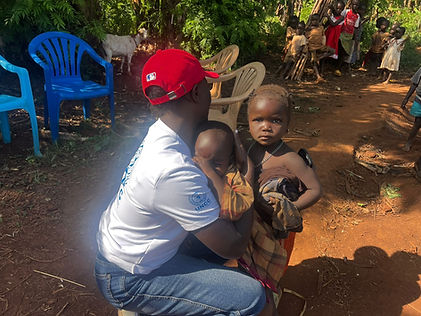
Across refugee settlements and host communities in Uganda, many children and vulnerable individuals are exposed to trauma, violence, displacement, and loss. Without appropriate support, these experiences can result in long-term psychological distress, reduced wellbeing, and limited life opportunities.
UNCC delivers community-based psychosocial support services during and after crises, with a strong focus on recovery and resilience-building once immediate emergency actors have withdrawn.
Our approach includes:
-
Safe spaces and structured group activities for children and adolescents
-
Community-led counselling and peer support systems
-
Support for young mothers, survivors of abuse, and vulnerable seniors
-
Awareness and early identification of mental health needs
-
Referrals to specialised services where available
UNCC integrates psychosocial support into all programmes, ensuring that mental wellbeing is addressed alongside physical and social recovery, particularly in underserved and high-risk communities.
Cash Transfers & Senior Medical Support
In humanitarian settings, access to essential services is often limited, particularly for seniors, vulnerable families, and those with medical needs. Evidence shows that cash-based assistance empowers beneficiaries to prioritise their most urgent needs, while maintaining dignity and supporting local economies.
UNCC delivers targeted cash transfers and voucher assistance across refugee settlements and host communities in Uganda, with a strong focus on:
-
Seniors requiring urgent medical care and treatment
-
Households facing acute vulnerability and food insecurity
-
Transport support for access to health facilities
-
Purchase of essential medicines and basic needs
Our approach ensures:
-
Dignified, flexible assistance tailored to individual needs
-
Reduced dependency on in-kind aid
-
Strengthening of local markets and community resilience
UNCC prioritises accountability and transparency, ensuring that assistance reaches those most in need, particularly older persons who are often excluded from formal support systems.

Education in Emergencies & Recovery
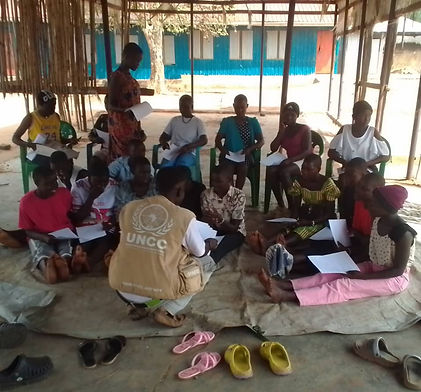
In crisis-affected communities, disruption to education exposes children to increased risks of abuse, early pregnancy, child labour, and long-term exclusion from learning opportunities. Access to education is essential not only for development, but also for protection and recovery.
UNCC works across refugee settlements and host communities in Uganda to ensure children—particularly vulnerable girls, child mothers, and out-of-school youth—are supported to access education and safe learning environments.
Our approach includes:
-
Support for school reintegration, especially for child mothers and at-risk girls
-
Establishment of safe, community-based learning spaces during and after emergencies
-
Provision of learning materials, uniforms, and basic education support
-
Homework support and supervised learning during school holidays
-
Engagement with schools, parents, and community leaders to promote education retention
-
Awareness and advocacy to address school dropout, early pregnancy, and child protection risks
UNCC prioritises education as a protection tool, ensuring children remain engaged, safe, and supported even when formal systems are disrupted.
Let’s Work Together
Get in touch so we can start working together.


